
For more than four decades, I’ve had the rare privilege – and sometimes the burden – of using almost every camera system the photographic world has offered. From the utilitarian to the exotic, from the typical tools of journalism to the ceremonial masterpieces of luxury imaging, I’ve carried them across continents, landmarks, deserts, markets, urban streets, and wedding aisles. Through all those years, two brands consistently stood out as the ones that felt less like machines and more like companions: Hasselblad and Leica. Their images didn’t merely document space; they carved it.
A few days ago, Eugene from Competitive Camera in Dallas – one of the most trusted names in this city for any Dallas photographer or blogger/podcaster – placed something in my hands that brought that familiar electricity back. A demo unit of the Hasselblad X2D Mark II. No ceremony, no pressure, just: “Take it. See what you think.”
What follows are my observations – part technical analysis, part field impressions, part quiet confession from a photographer who thought he had seen it all.
Design – The Silence Between Lines
The X2D Mark II doesn’t shout its presence. Much like the older Hasselblads, the camera’s design philosophy is monastic: minimal lines, zero visual clutter, and a harmony between industrial precision and Scandinavian restraint. It’s the kind of camera a travel photographer carries not to be noticed, but to notice more.
The grip is sculpted, tight, with a subtly improved balance that becomes obvious when paired with the newer wide-aperture XCD lenses. The tactile response – buttons, dials, shutter – is measured, deliberate. Nothing feels rushed. The camera encourages you, almost forces you, to slow down.
The Sensor and Image Quality – The Beautiful Abyss of 100+ Megapixels
At the heart of the X2D Mark II is Hasselblad’s next-generation medium format sensor, which somehow manages the improbable: extreme resolution without sacrificing dynamic range or tonal subtlety.
The files are enormous. Opulent. They behave more like digital negatives carved out of light rather than pixels arranged on a grid.
Highlight Recovery – My Most Surprising Discovery
Across systems – Canon, Nikon, Fuji, Leica – I’ve learned not to trust highlights. I’ve seen skies fall apart, bridal dresses turn to chalk, and sunlit marble lose its pores.
But the X2D Mark II?
It lets you walk straight into the sun and come back unharmed.
The highlight recovery is absurdly good. I lifted skies by four, sometimes five stops, and watched them reassemble with the grace of medium-format film. Even the micro-blur – those whisper-thin transitions between bright and really bright like our little baby Sugar Cookie white fur – remained intact. This is the kind of recovery that fashion, portraits, pet, wedding and lifestyle photographers dream about, especially during golden hour chaos when moments shift faster than settings.
If dynamic range is a battleground, the X2D Mark II is a peace treaty.
Stabilization – A One-Second Handheld Miracle
Here is the moment I knew this camera was different:
I pressed the shutter at one full second, handheld – and the resulting file was not merely usable; it was beautiful.
Let me frame that properly.
Across more than 40 years of shooting, across every major camera system ever built, I have never produced a handheld shot worth keeping even at 1/60th of a second, let alone one full second. But the X2D Mark II’s stabilization makes that possible – and not as a gimmick. It’s real, repeatable, confident.
This isn’t IBIS; it’s invisibility. A kind of quiet wizardry.
For a travel photographer wandering night streets, this alone rewrites what’s possible without a tripod.
Color Science – Hasselblad’s Old Soul
Hasselblad color isn’t merely accurate; it’s emotional. The X2D Mark II continues the tradition of rendering light in a way that feels honest yet poetic. Skin tones are effortless. Blues feel spacious. Reds never clip into vulgarity. Greens retain their dignity.
As a photographer, I can talk about profiles and spectral responses and calibration curves, but none of that captures the essence: Hasselblad color simply feels alive.
Autofocus & Usability – The New Speed in a Slow Camera
Hasselblad has finally delivered an Auto Focus that feels modern. Face and subject tracking are significantly faster, the entire system feels more responsive, and menus glide. Still, this camera doesn’t chase speed. It respects slowness, and expects you to meet it halfway.
This isn’t a camera for 20-frame bursts. It’s a camera for the single frame that will matter decades from now.
Final Thoughts – The Camera That Reminds You Why You Started
The Hasselblad X2D Mark II feels less like an upgrade and more like a rediscovery. It becomes a collaborator. It rewards intention. It forgives highlights you thought you lost. And it stabilizes moments long after the light has left.
For photographers who want clarity, depth, tonal richness, and that elusive three-dimensional medium-format presence, this is the camera that reminds you what a photograph can be.
A Few Demo Photos
Below are sample images captured during my testing session with the demo unit provided by Competitive Camera in Dallas.



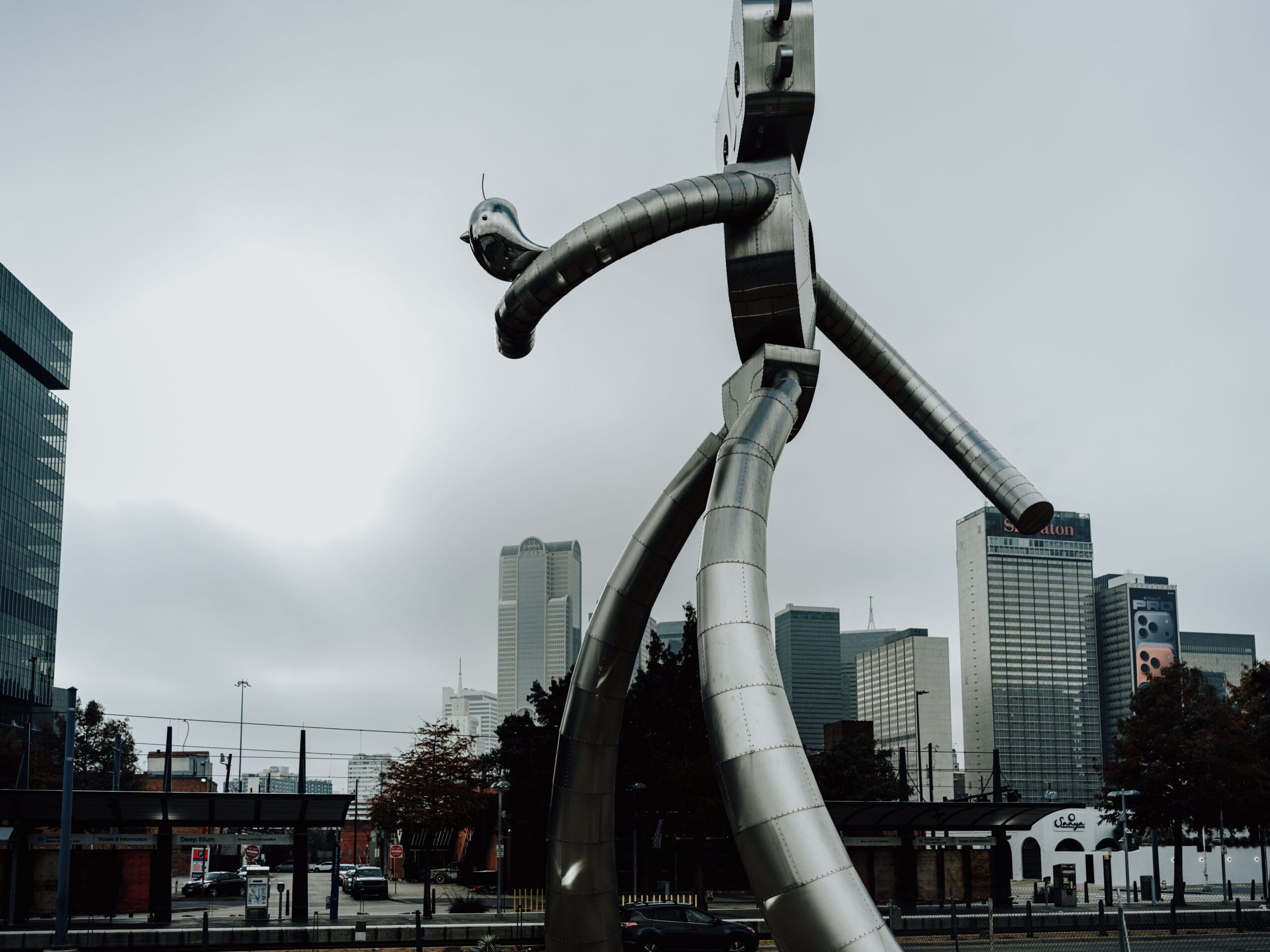



A Dallas photographer and camera fanatic shares an in-depth look at the Hasselblad X2D Mark II, exploring its dynamic range, highlight recovery, color science, and astonishing slow shutter handheld performance. A must-read for travel and lifestyle photographers.
Written by Dallas Photographer – William Bichara.