
By William Bichara – Dallas Photographer
Some places live in your imagination for so long that by the time you finally arrive, you’re not entirely sure whether you’re visiting a town or a myth. Marfa, Texas had been on my bucket list for twenty years. Twenty years of reading about it, hearing about it, seeing photographs of it, filing it under “someday” – the way you do with the places you’re almost afraid to visit because the idea of them has become too perfect to risk. This spring, I finally made the drive west on Highway 90, through the Chihuahuan Desert, through the kind of silence that only the American West knows how to make, and into a town of less than two thousand people that somehow manages to feel like the center of the world.
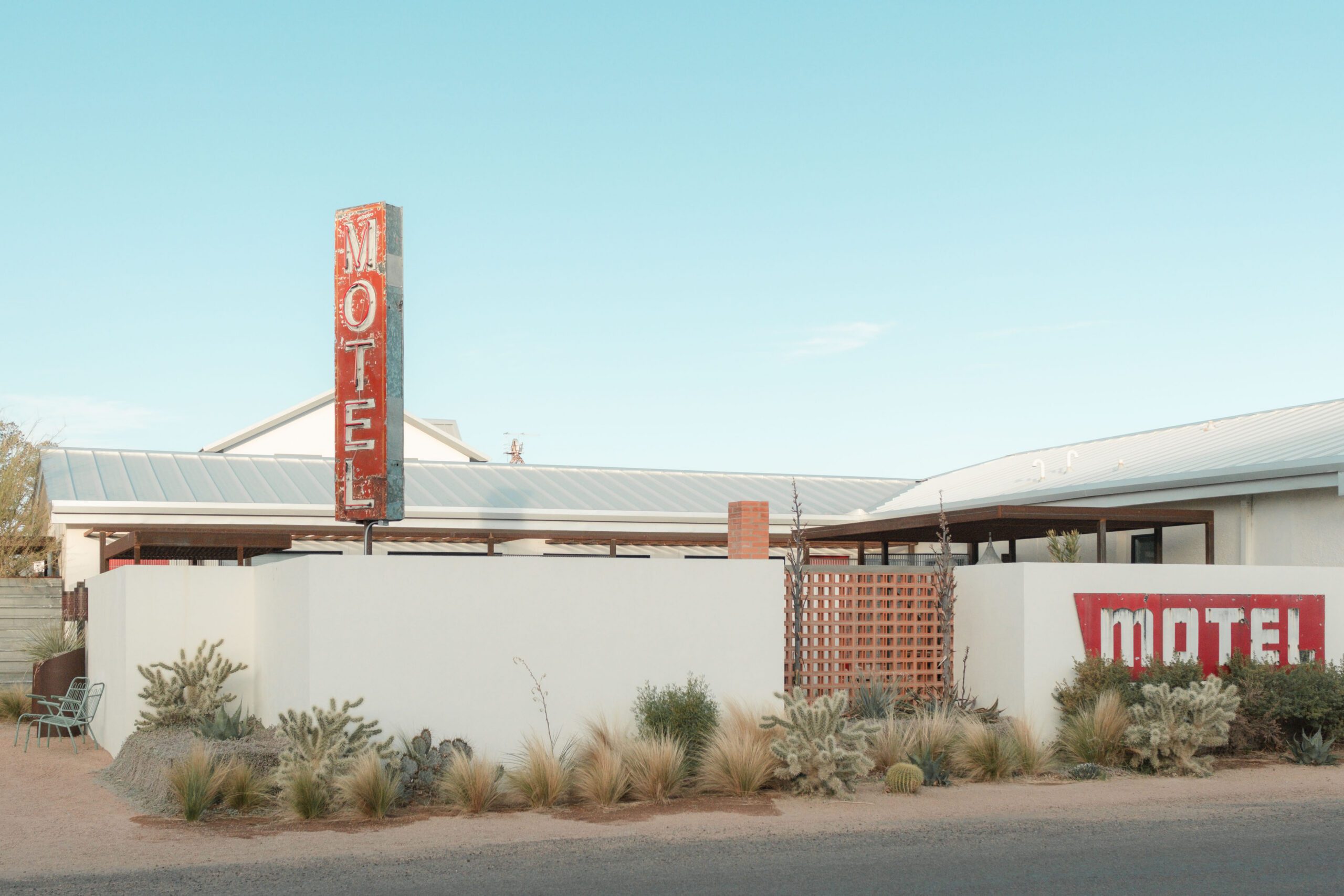
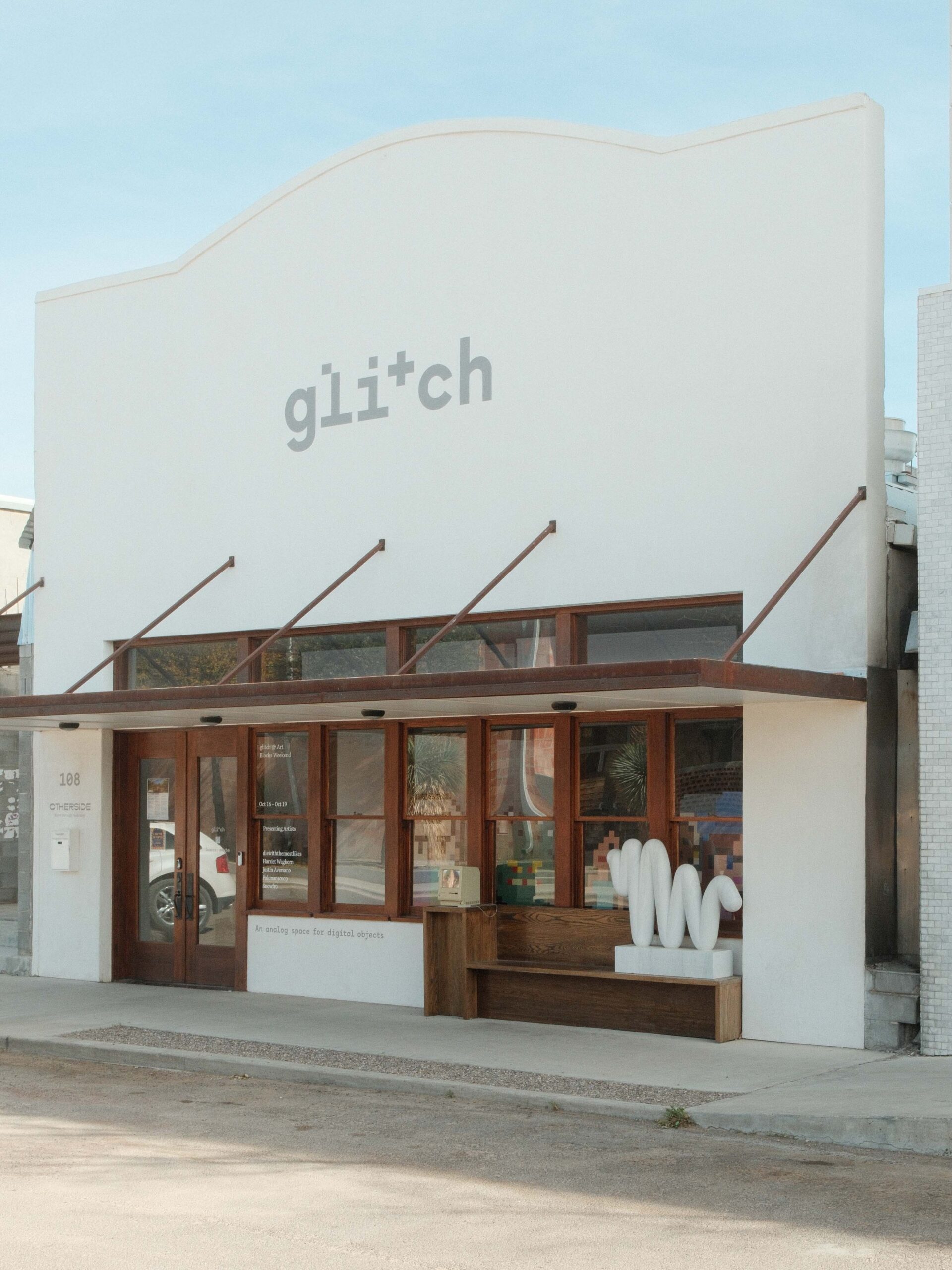
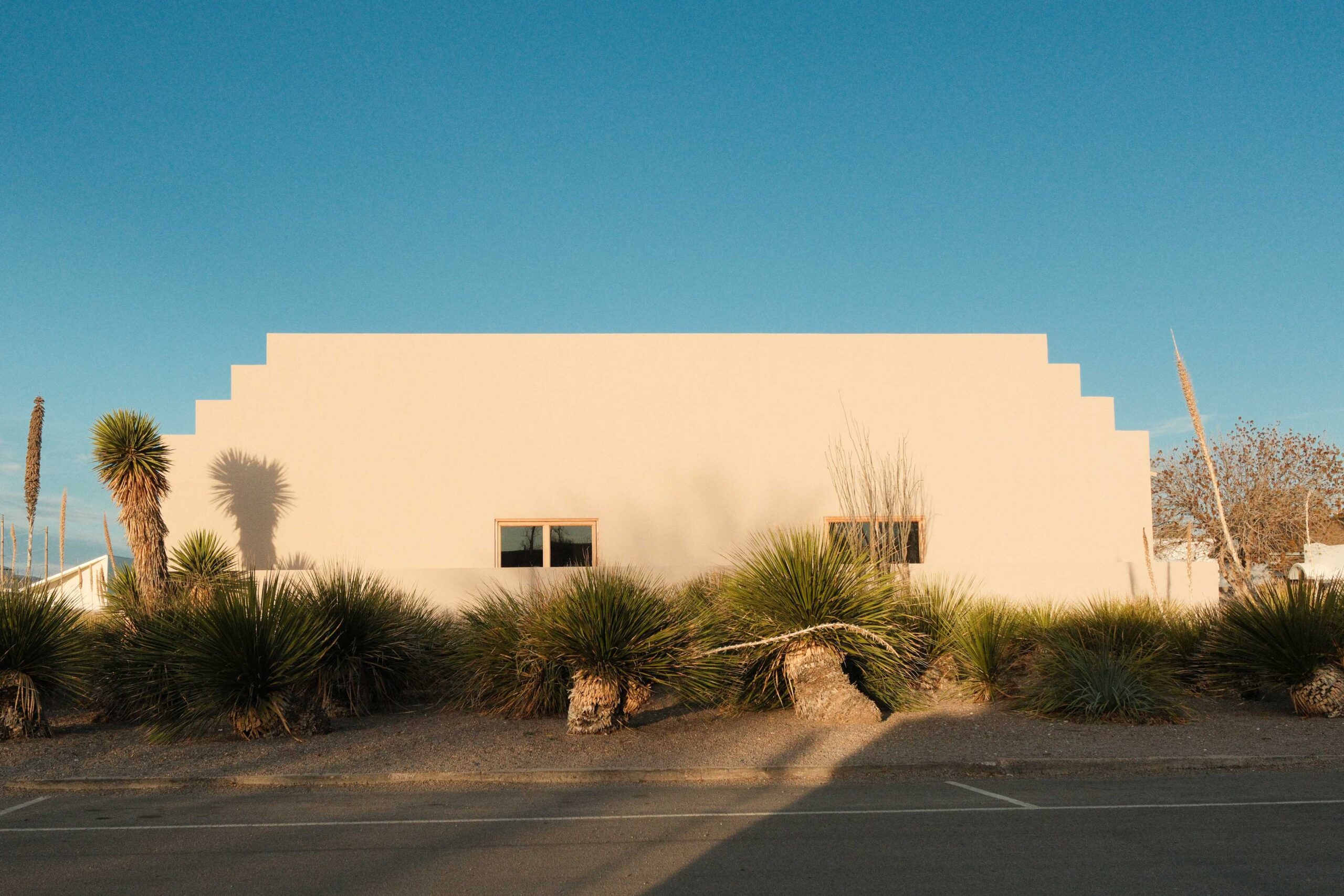
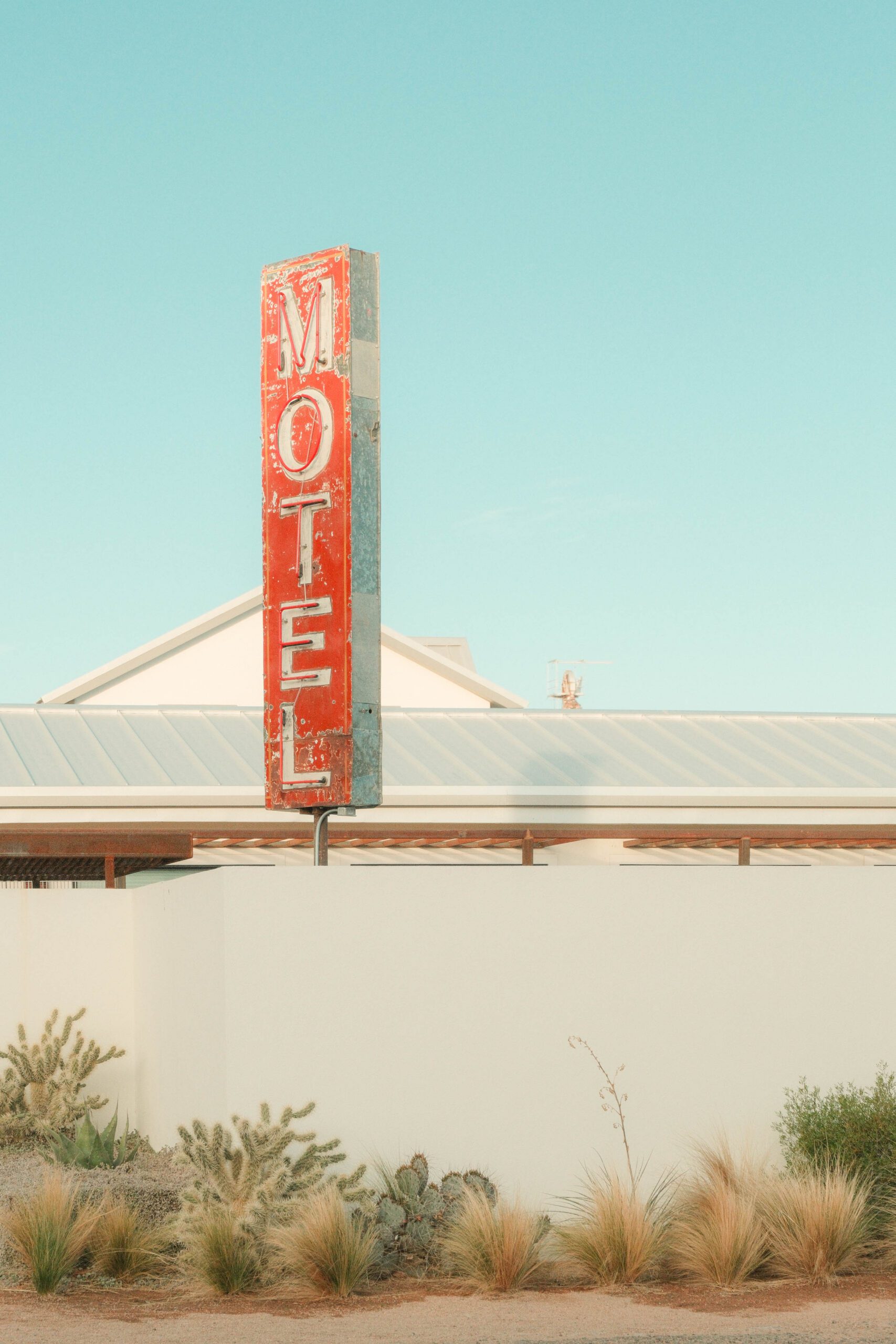
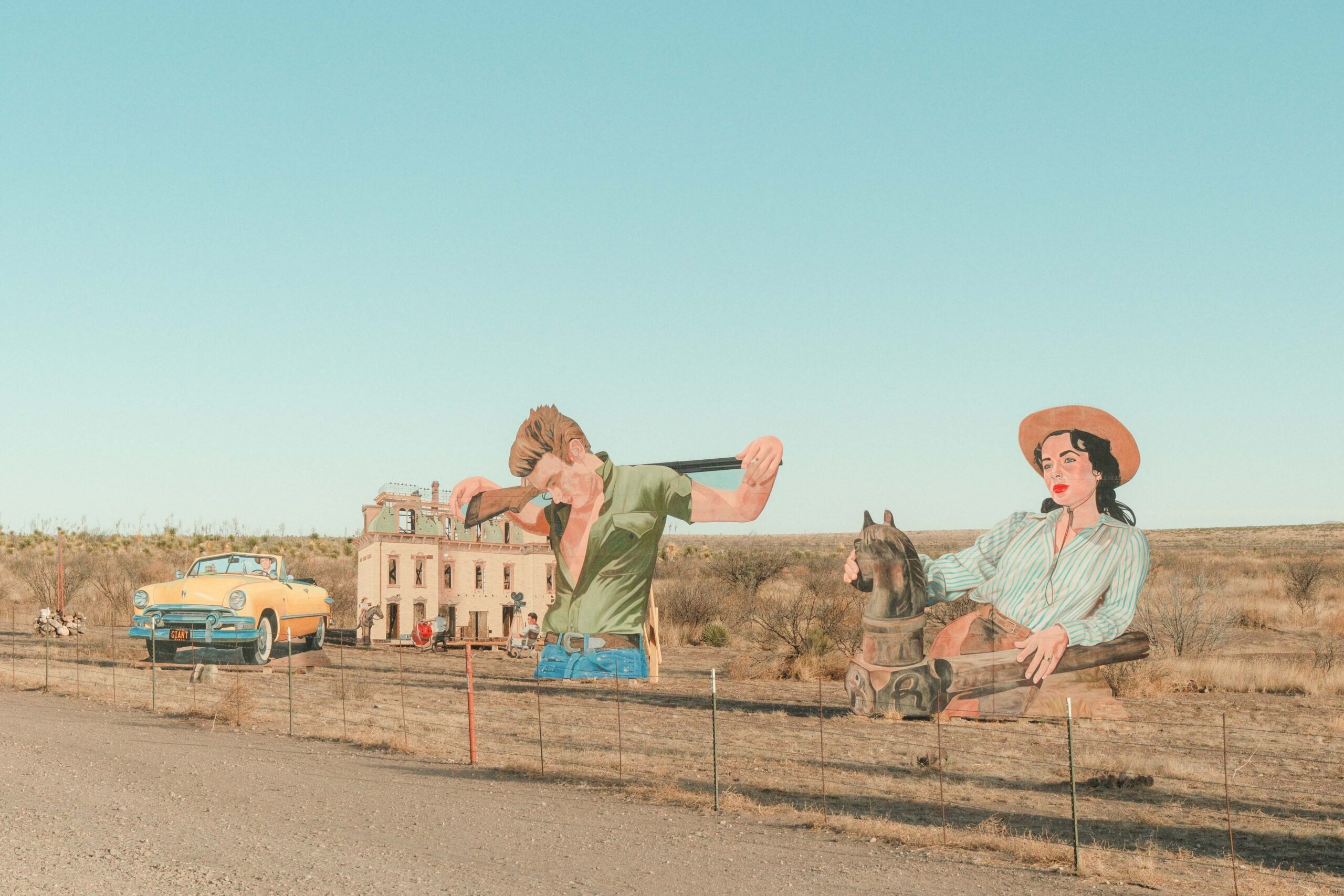
Marfa doesn’t announce itself. There is no skyline, no billboard promising you something extraordinary. It simply appears – low adobe buildings against an enormous sky, the kind of horizon that makes you feel both very small and strangely free. And then you are in it, walking streets that feel like a film set and a living town simultaneously, where a rancher in a pickup truck and a gallery owner in Italian shoes can occupy the same block without either one seeming out of place. That contradiction – rugged and refined, ancient and avant-garde, Texas and nowhere else on earth – is the whole magic of Marfa, and no photograph I had seen in twenty years had quite prepared me for feeling it.
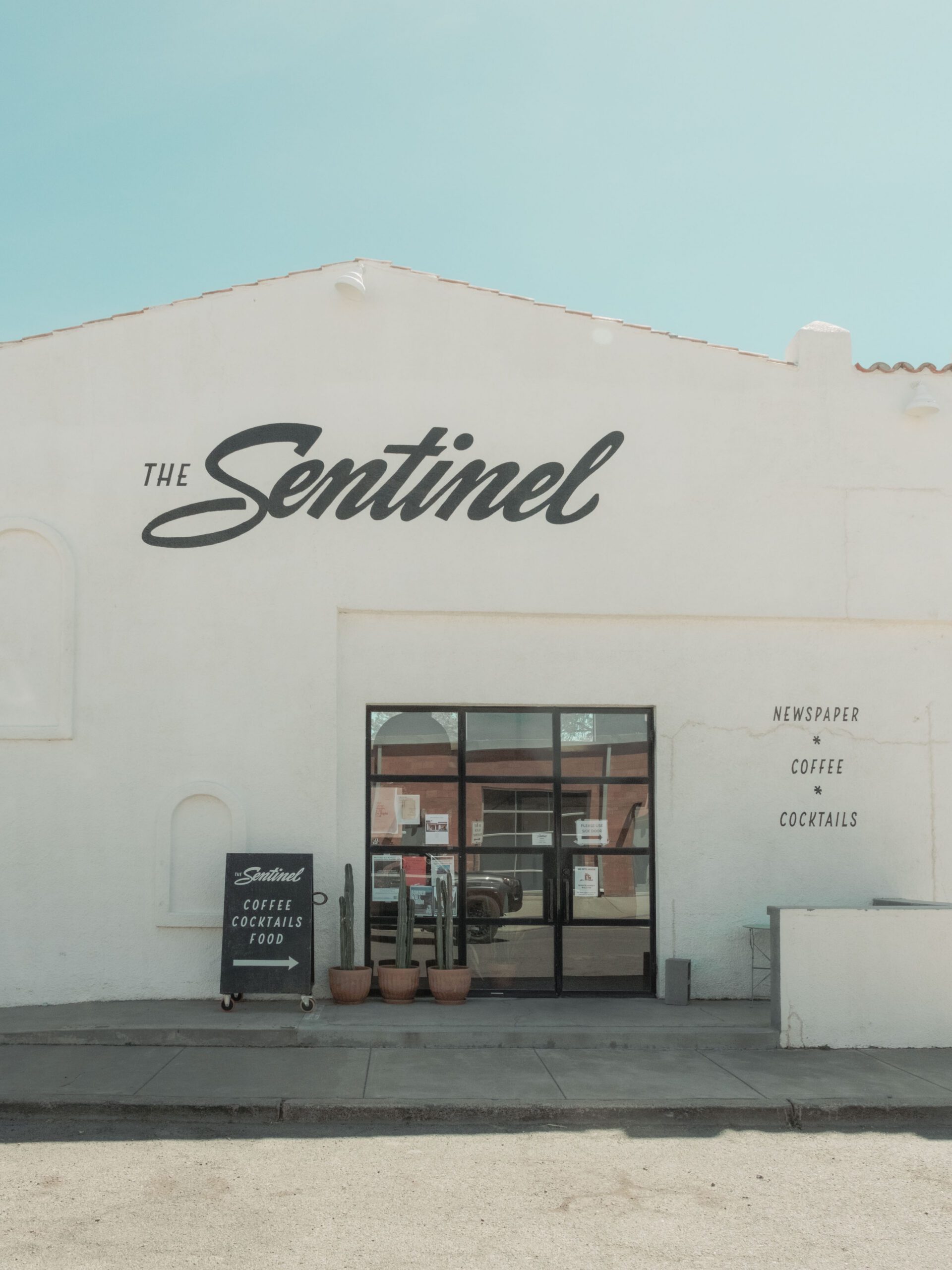
I came with a list. I always come with a list. And Marfa, in its thoroughly unbothered way, did what it pleased with that list. Some of what I had waited twenty years to see was temporarily closed. Some of it was gone entirely – restaurants I had bookmarked, places I had imagined sitting in and ordering something special and deeply local, shuttered quietly the way beloved things sometimes disappear from small towns without ceremony or forwarding address. Standing in front of a locked door at a location I had wanted to visit for some time was not, as it turned out, a disappointment. It was somehow very Marfa – the town reminding you gently that it owes you nothing, that it has been here long before your bucket list and will be here long after, and that the best thing you can do is let go of the itinerary and simply look at what is actually in front of you. So I did.
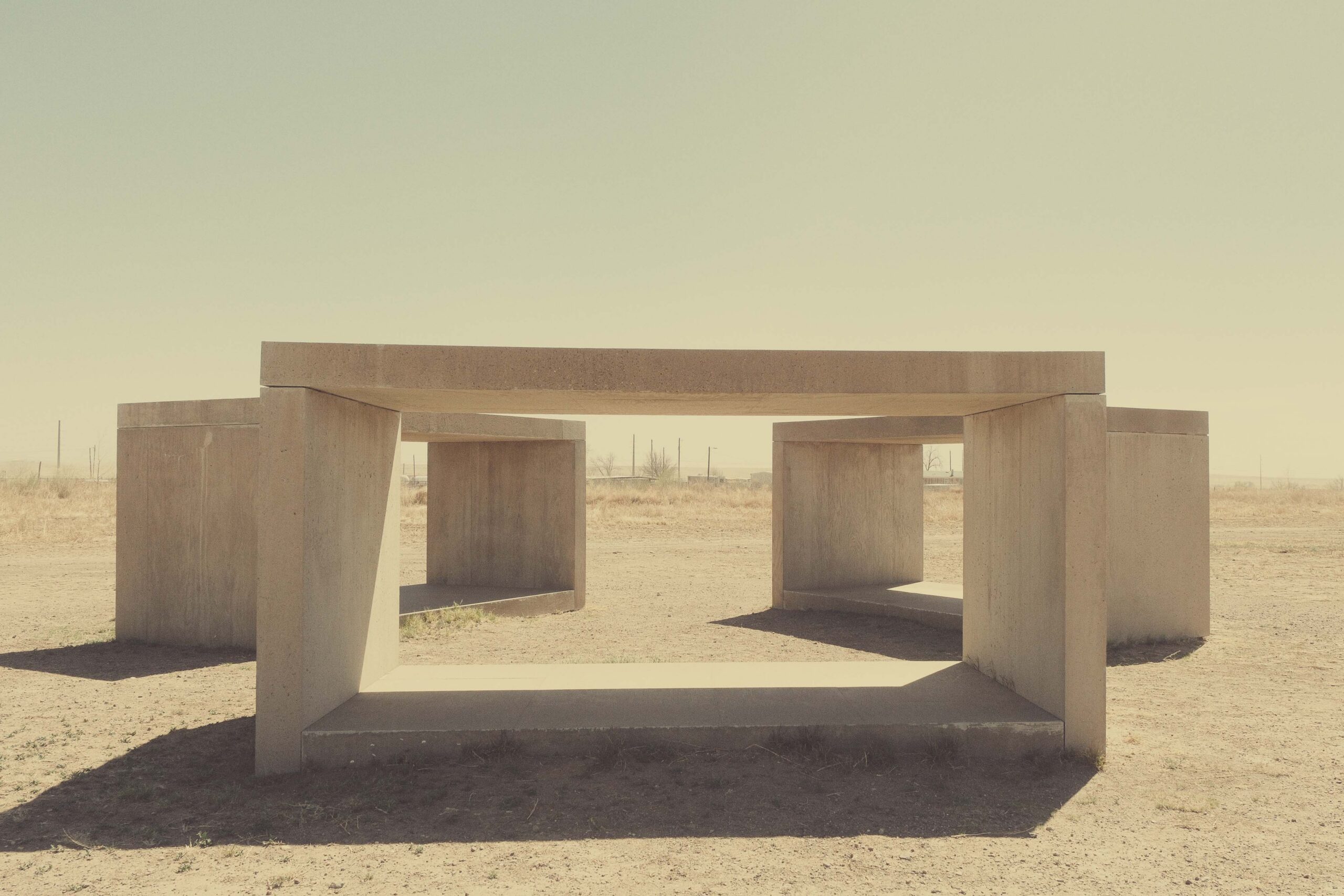
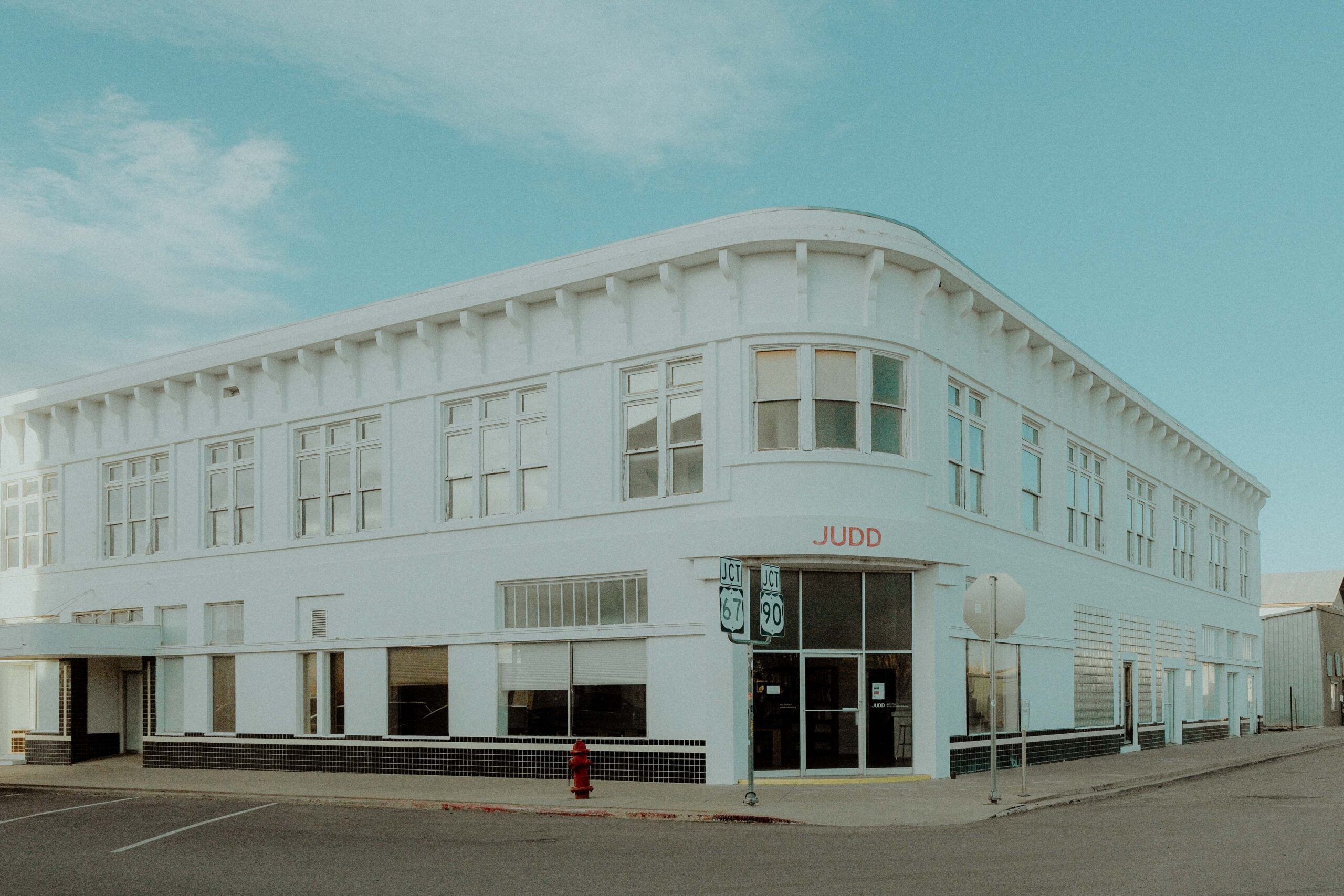
What was in front of me was extraordinary. The Chinati Foundation – Donald Judd’s monumental gift to this desert, a former military base transformed into one of the most quietly powerful art experiences in the United States – had sold out of tours by the time I arrived. I had missed my chance to see the indoor installations, including Judd’s hundred untitled works in mill aluminum housed in converted artillery sheds where light pours through quartered windows like something between sculpture and weather. I will not pretend that didn’t sting a little, but what the desert gave me instead was time with the outdoor works – Donald Judd’s minimalist concrete sculptures scattered across the open land, the Chihuahuan Desert stretching in every direction, the sky performing the kind of show that makes you understand why artists have been making pilgrimages here for decades. There is something to be said for encountering art in the open air with no roof between you and the infinite. The outdoor installations asked nothing of me except attention, and I gave them all of it.
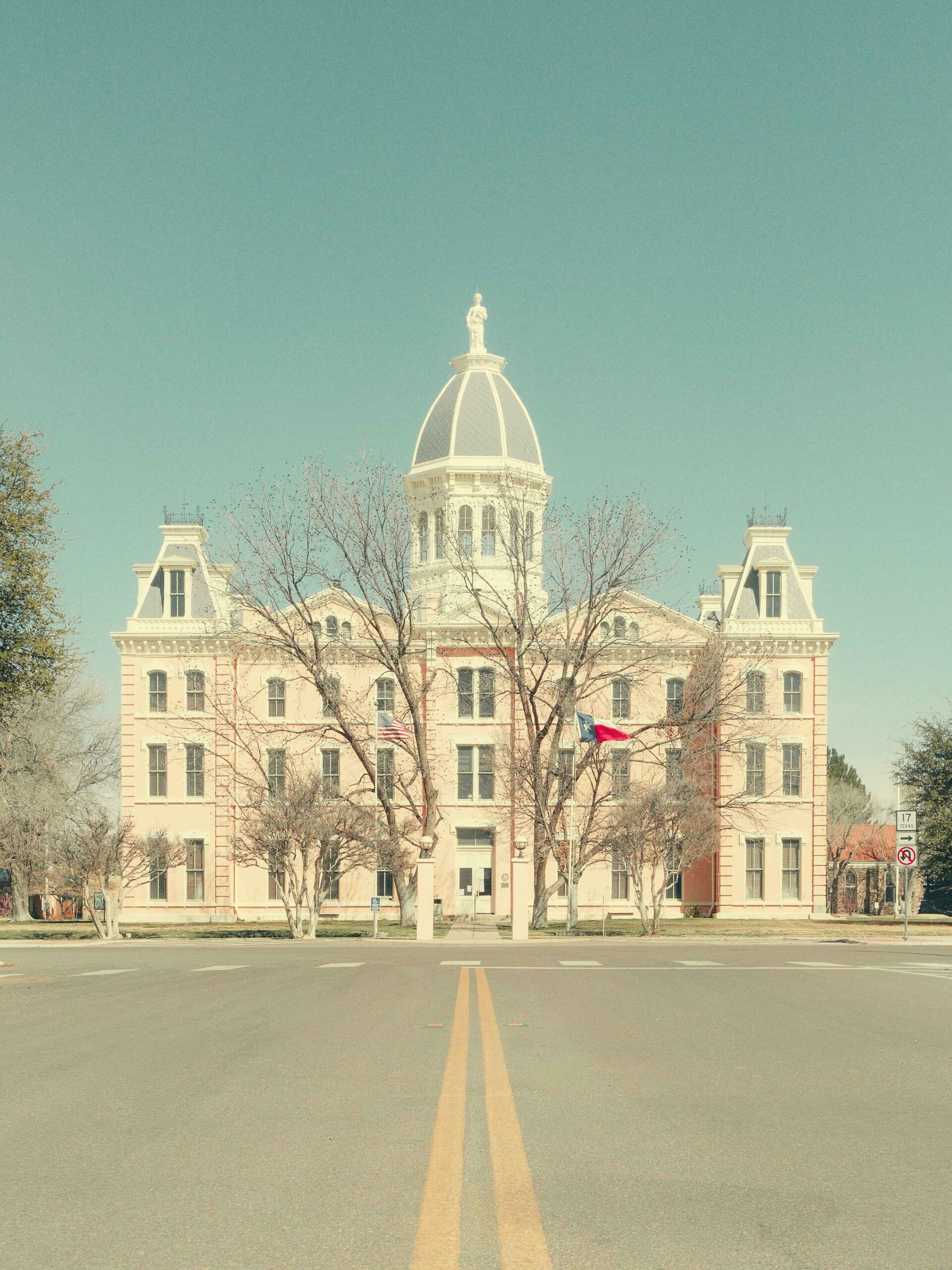
The Presidio County Courthouse, built around 1886 and impeccably preserved, was another matter entirely. I did not go in. I did not need to. The facade alone – that magnificent 19th century architecture standing resolute against the West Texas sky – held me on the sidewalk across the street longer than most interiors ever have. I photographed it the way you photograph something you want to remember not just visually but physically, the way the light fell on it, the way it anchored the whole street. Some buildings earn your attention from the outside. This is one of them.
And then there was Ramona.
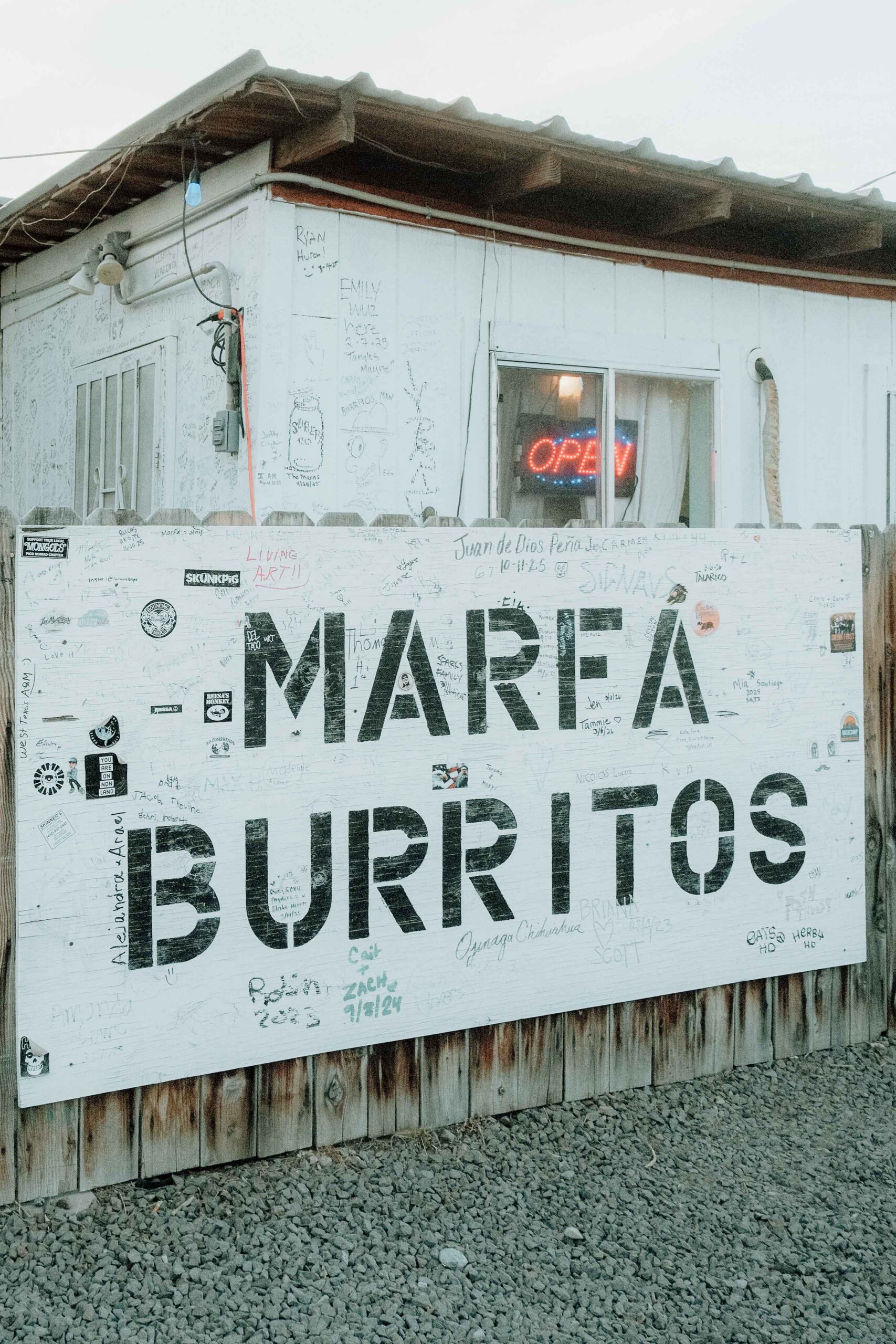
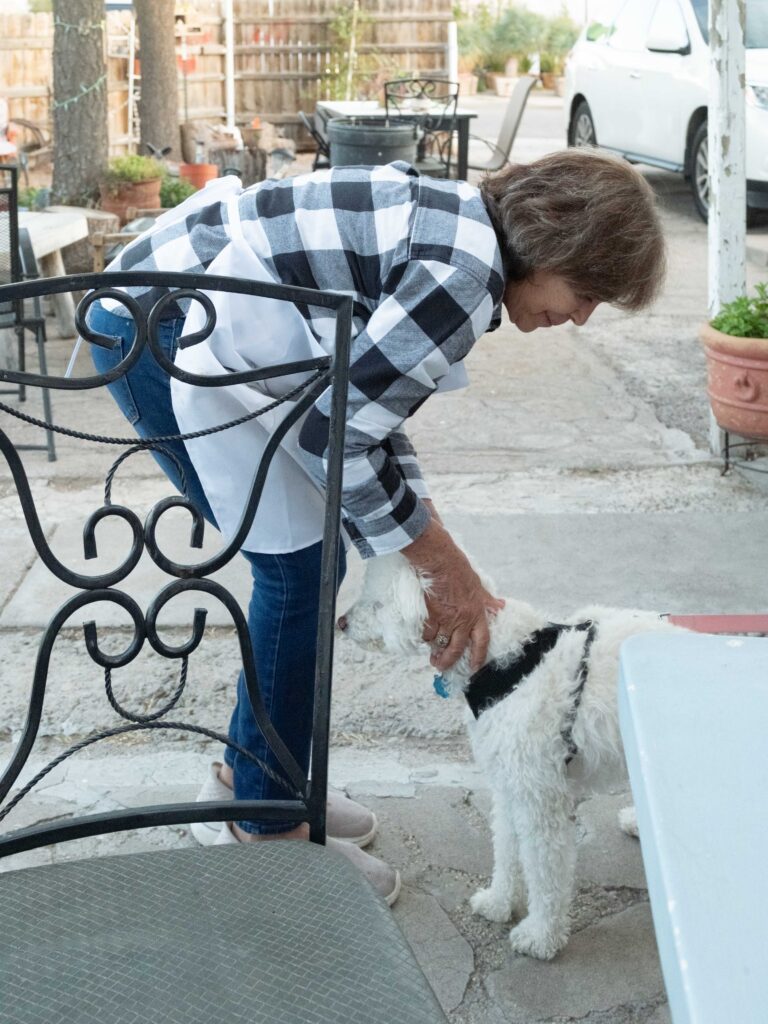
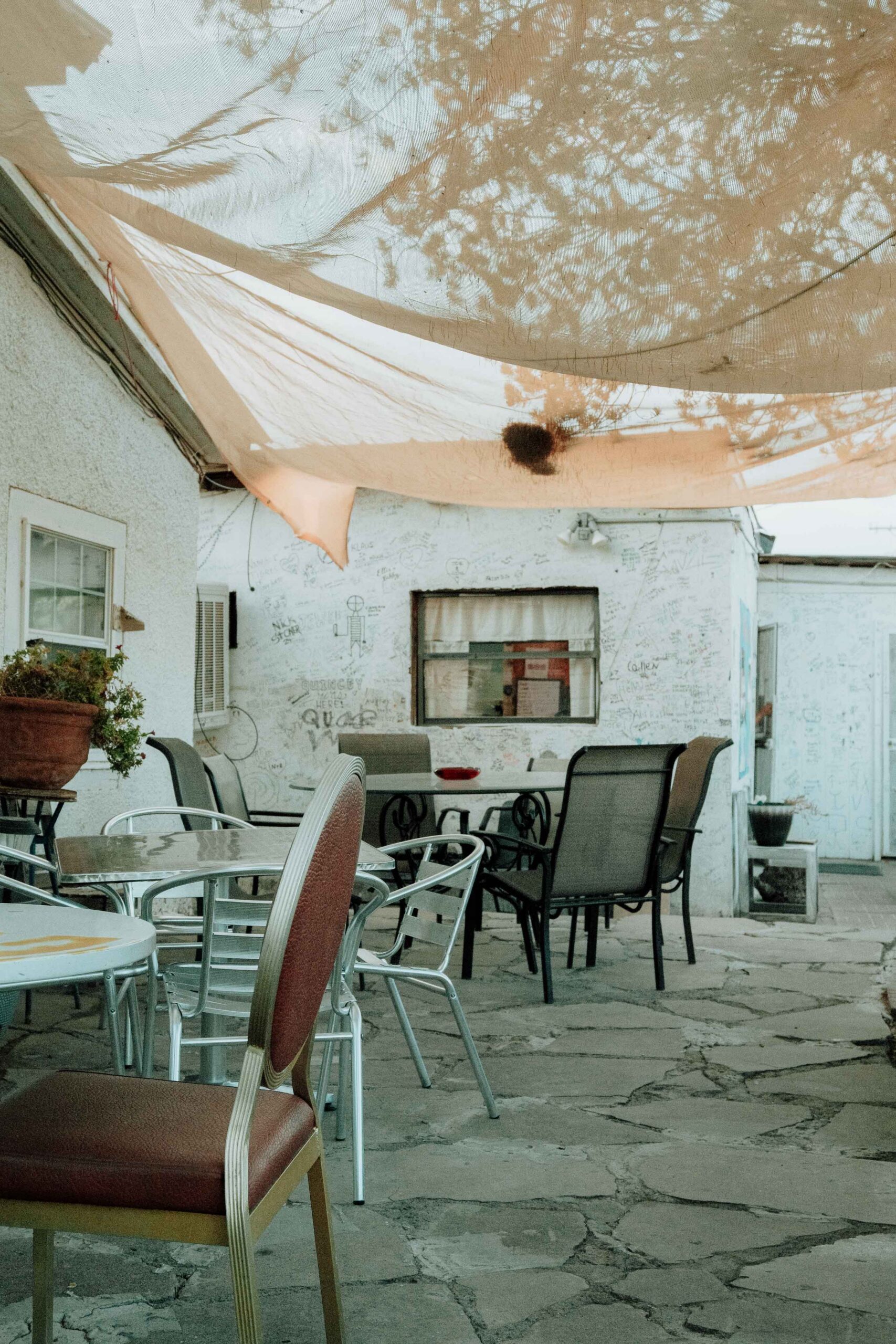
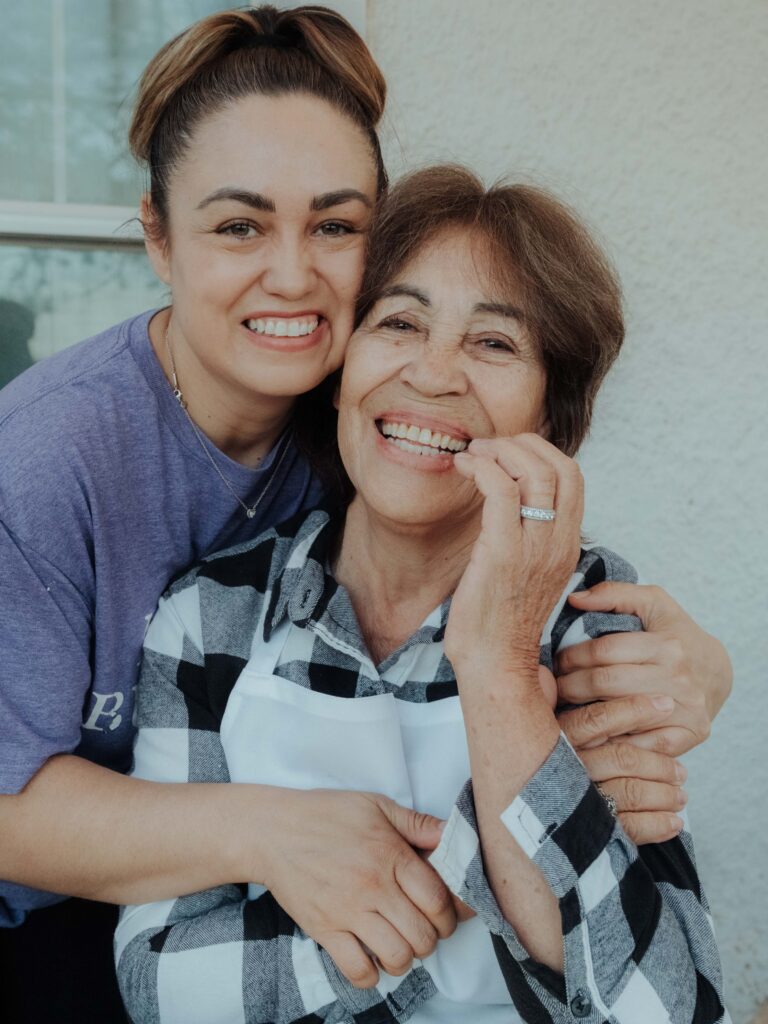
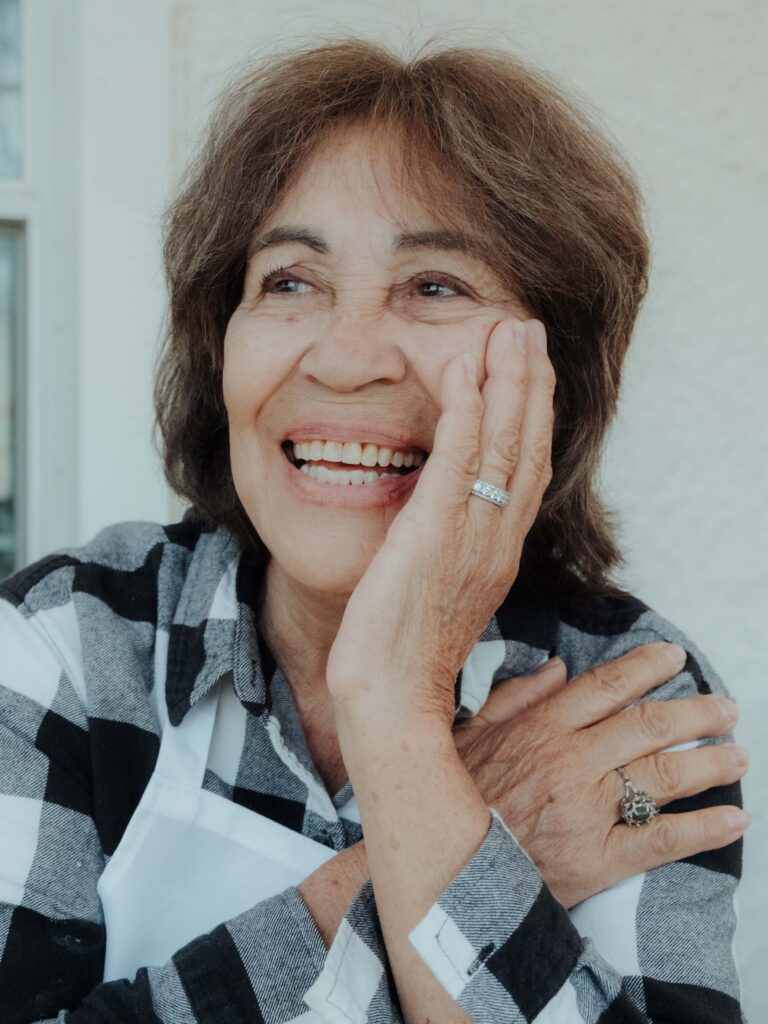
If Marfa has a soul – and it does, even on the days when the galleries are locked and the wind is doing something theatrical – part of that soul lives in a small, unassuming spot where a woman named Ramona Tejada has been making burritos long enough to have earned the title that locals bestow on her without irony: the Queen of Marfa Burritos. I went to Marfa Burrito the way you go somewhere you’ve heard about for years, with the particular anxiety of someone who doesn’t want to be let down. I was not let down. But more than the burrito itself – which was everything a burrito should be and nothing it shouldn’t – it was Ramona and her daughter Lizet who stayed with me long after I left. Warm, unhurried, entirely at ease in their own domain in the way that only people who have found their purpose tend to be. We talked for a while – where we were from, what had brought us all the way out to Marfa, the kind of easy conversation that feels like it has been going on for years even when you have just met. And then they noticed Sugar Cookie.
Our dog had that effect on people throughout the trip, but nowhere more so than in that small, wonderful room. Ramona and Lizet fell in love with Sugar Cookie completely and without reservation, the way people fall for a good dog – instantly, openly, with no self-consciousness about it whatsoever. For a few minutes it was less a burrito shop and more a gathering of people and one very beloved dog who had all somehow ended up in exactly the right place at exactly the right time. In a town wrapped in its own mythology and inspiring genuine passion in everyone it touches, Ramona and Lizet simply were Marfa – grounded, generous, and genuinely at home in the place they helped make what it is. I left a better person for having met them both.
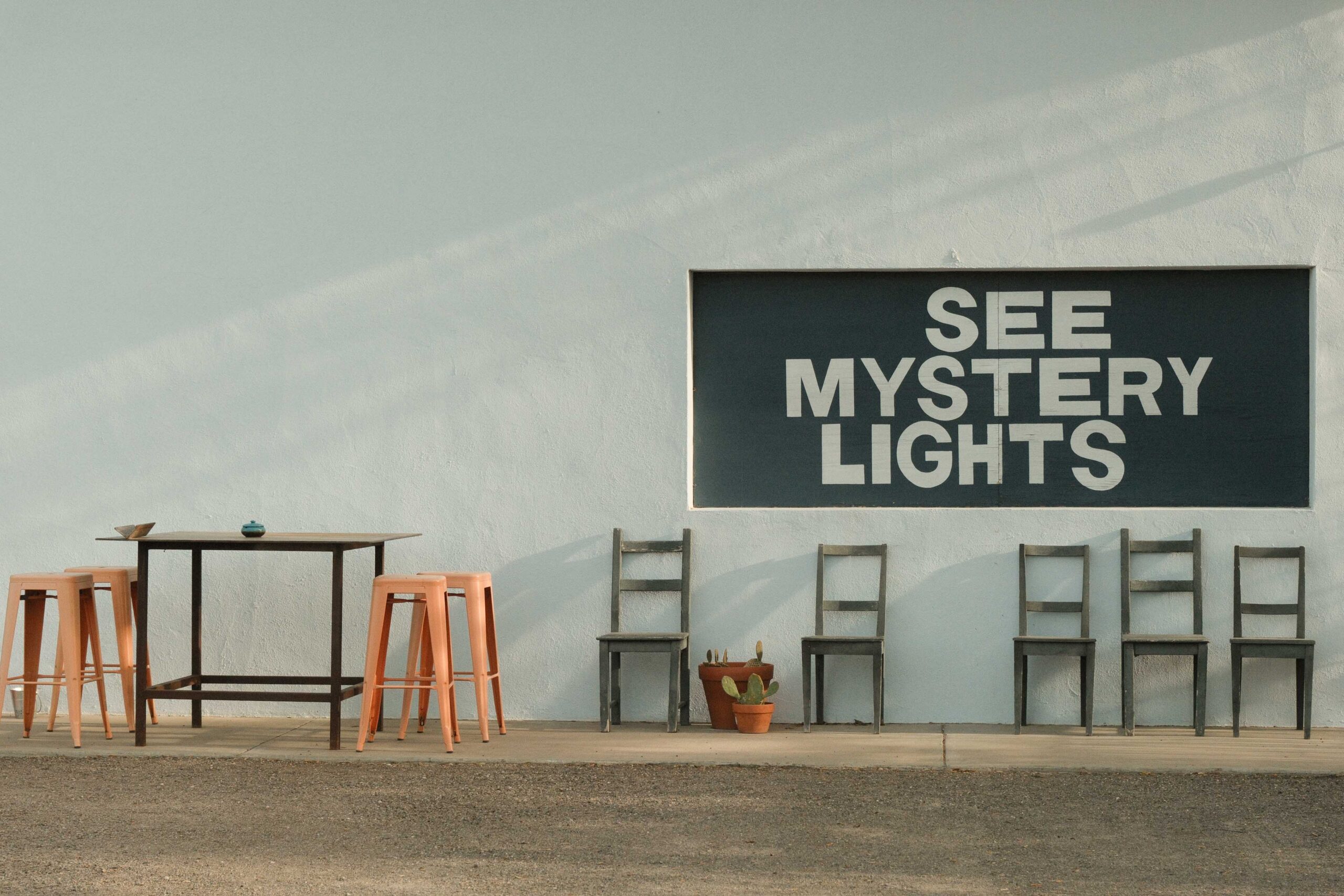
I drove out to see the Marfa Lights on my last evening – nine miles east of town on Highway 90, at the viewing station that they built for the thousands of people who come every year to stare at a stretch of darkness and try to explain what they see. The lights have been appearing since the 1880s, recorded by settlers and cowboys who had no framework for them and no explanation beyond the fact that they were there. That night, however, the desert had other plans. It was cold – properly, unexpectedly cold – and the air had turned hazy and dusty in the way that West Texas air sometimes does, wrapping the horizon in a gauze that no amount of patience could see through. I was not alone in my defeat. Almost everyone who had driven out that night stood at the railing for a while, squinted at the same impenetrable darkness, and quietly made their way back to their cars. There is something almost poetic about that – a crowd of strangers united not by wonder but by weather, all of us gently turned away by a mystery that had decided, on that particular evening, to keep its secrets. I will be back for the lights. Marfa is not finished with me yet.
I also drove out to Prada Marfa – that famous art installation on a remote stretch of Highway 90 near Valentine that shouldn’t work and does completely. A perfect replica of a Prada boutique, stocked with shoes and purses from the 2005 collection, abandoned to the desert by artists Elmgreen and Dragset as a statement on consumerism that has outlived every argument made about it. It is absurd and beautiful and oddly moving, the way the best art always is. I stood in front of it in the early morning light and took photographs until it started to get busy, and then I stood there a little longer anyway.
Leaving a Part of My Heart in Marfa
I drove back to Dallas the long way, the way you drive when you are not ready to arrive. Highway 90 unspooled ahead of me through the desert – creosote and agave, mountains fading in the rearview mirror, the sky doing something unrepeatable with its light. Twenty years is a long time to carry a place in your imagination. What surprised me most about finally being there was not that Marfa lived up to the idea I had built of it – it did, and then exceeded it – but that it gave me something I had not expected: a quieting. It was calm, unbothered, indifferent to my timeline and bucket list – all of that internal noise settled. The anxiety of will it live up to what I imagined dissolved. What replaced it was a rare kind of peace that most places, especially destinations we over-romanticize, never actually deliver. A quieting that happens when a place meets you so completely on its own terms that you stop negotiating with it and just exist inside it. The particular stillness of a place that has no interest in being anything other than exactly what it is. In a world that is very loud and very certain of itself, Marfa, Texas is neither of those things, and that is the most radical thing about it.
Some of the doors were locked. Some of the restaurants I was excited about were gone. The Chinati tours were full. The lights stayed hidden behind cold and windy desert haze. Ramona and Lizet made us a burrito and fell in love with our dog. I photographed everything I could and knew, even as I was doing it, that the camera was only catching the surface of something that lives much deeper than light.
I left a part of my heart in Marfa. I suspect it will be well taken care of.
Plan your own engagement session or wedding in Marfa – West Texas or beyond – reach out here.








William Bichara, Dallas photographer. Available for portrait, lifestyle, travel and wedding photography worldwide. Plan your own lifestyle session in Marfa – West Texas or beyond, reach out here.