
I Finally Bought the Hasselblad X2D II – Here’s the Honest Truth:
Camera Review · William Bichara · William Bichara Photography · September 2026
I’ve been sitting on this post since May. Not because I didn’t have anything to say – I had too much to say, and none of it was coming out right. So I’m starting over, the way I should have from the beginning: just talking to you.
Let me say this upfront: I am not new to Hasselblad. This isn’t a story about discovering something new. It’s a story about finally stopping to resist the urge of calling it mine.
Back in college in the 1980s, I was shooting with a Hasselblad 500 series camera. If you know, you know – that sound, that square frame, the whole ceremony of it. Film cost money back then, it costs more nowadays, so you thought before you pressed. That first experience served to train me to take my time and me, but still not enough to get me sold.
Then in the 2010s I worked with two H4D System bodies. Serious cameras for serious work. It was medium format digital at its most demanding. I loved them and I also wrestled with the complexity of the medium format and the limitations it presents, which is sort of the Hasselblad deal. The relationship requires some investment before it starts giving back generously.
THE ONE THAT GOT AWAY FOR A WHILE:
Here’s where it gets personal. When the X1D came out in 2016, I didn’t care about its specs. Not even slightly. What stopped me in my tracks was the way the thing looked.
I’ll be straight with you: design is not a secondary concern for me. It’s often the primary one. The things I choose to own – cameras, watches, pens, perfume bottles, amplifiers – they have to be beautiful, not just useful. Quiet but luxurious. Not expensive-looking or status-signaling. Just genuinely beautiful in that way where every angle or surface feels considered and nothing feels like an accident. The X1D had that. This minimal slab of machined aluminium that somehow managed to look both futuristic and completely timeless at the same time. I fell for it hard, from a distance, without ever picking one up.
And then I just… didn’t buy it. Life kept moving. I was deep into my Leica Ms, then the SL for personal projects and shooting Fujifilm for the photos that called for something lighter, faster, less precious like street photography – and my Canon cameras where there for the work that demanded reliability over romance. There was no room in the workflow for a whole new system, and I convinced myself that was a sensible decision. It was also a convenient one.
THE TWO TIMES I BORROWED THE X2D II:
Towards the end of 2025, my friends at Competitive Camera let me borrow the X2D II to experience it. I shot with it for almost a week, wrote a post about it here, gave it back, and then asked to borrow it again in January 2026 for a trip to NYC. That second ask should have told me something.
I wrote something enthusiastic that time. But reading it back now, what I didn’t say – what I was still pretending wasn’t true – was that I’d already made up my mind. The only question was how long I was going to keep pretending I hadn’t.
WHAT ACTUALLY MAKES THIS CAMERA SPECIAL ON PAPER:
Okay, let me give you the substance most camera users like to read and compare, not me (this information can be found and verified on Hasselblad’s website).
HASSELBLAD X2D II 100C’s KEY SPECS
SENSOR: 100MP Medium Format BSI CMOS (43.8 × 32.9mm)
DYNAMIC RANGE: Up to 15.3 stops
AUTOFOCUS: 425-point PDAF + LiDAR + AI subject detection
STABILISATION: 5-axis IBIS up to 10 stops
HDR: HNCS HDR – Ultra HDR JPEG, HEIF, RAW
INTERNAL STORAGE: 1TB SSD + CFexpress Type B
DISPLAY: 3.6″ OLED, 1400 nits, tilting not in all directions
The biggest news on the X2D II – and genuinely the most overdue – is continuous autofocus. The original X2D didn’t have it. Neither did anything before it in the X system. Which meant that for all that sensor quality and color science, you were somewhat limited in what you could chase with it. That changes completely here.
The AF system pairs 425 phase-detect points with a LiDAR module on the front of the body. In practice it’s fast, it locks on, and the subject detection for people works reliably enough that I’ve stopped thinking about it. I have not tried to shoot very fast moving subjects or objects, but for what i tried, it worked like a charm 99% of the time.
About that stabilization, we have a ten stops of IBIS on a medium format sensor. The previous best-in-class was (i think) an 8.5 stops on smaller sensors. What this means in practice: handheld long exposures that shouldn’t be possible. Night work without a tripod. A category of images that simply didn’t exist from a camera like this before this body. Also a category of images that i only heard about from photographers on YouTube or Social Media (like the 4 to 6 seconds handheld) and i have not exactly succeeded in replicating and not really dying to.
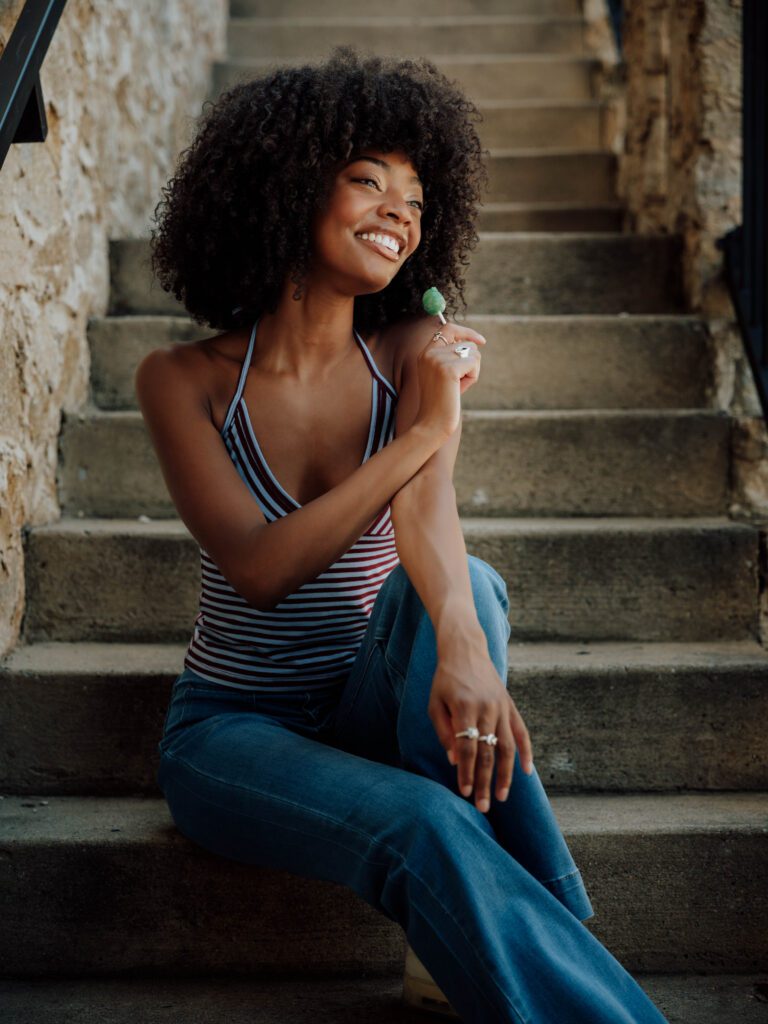
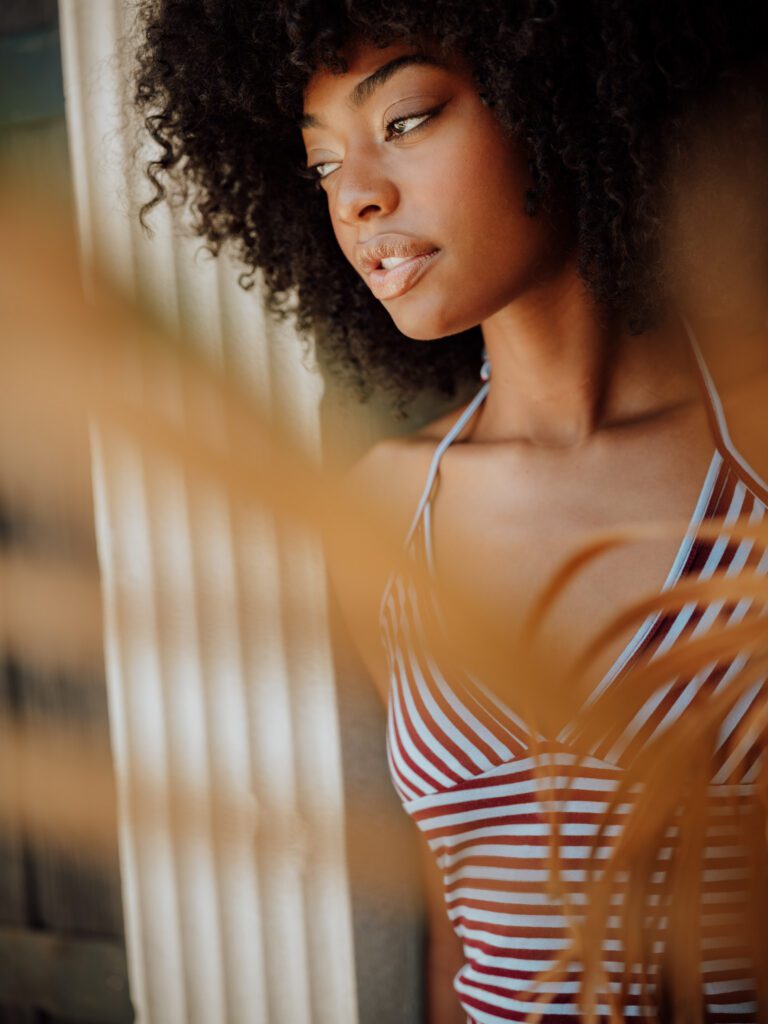
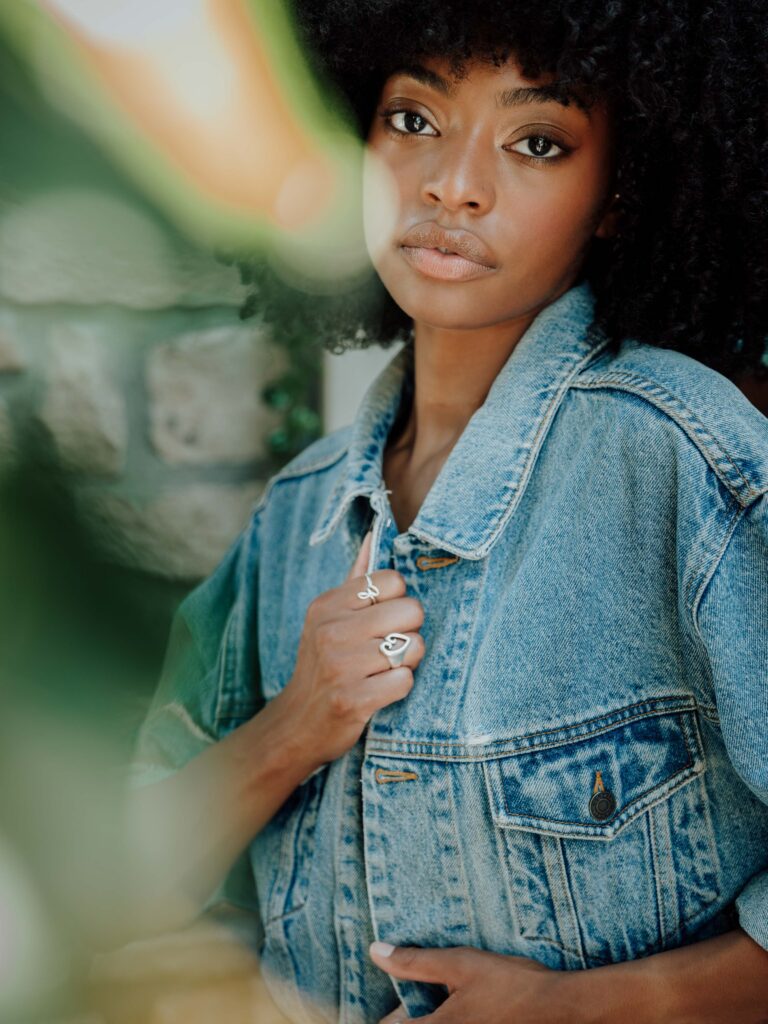
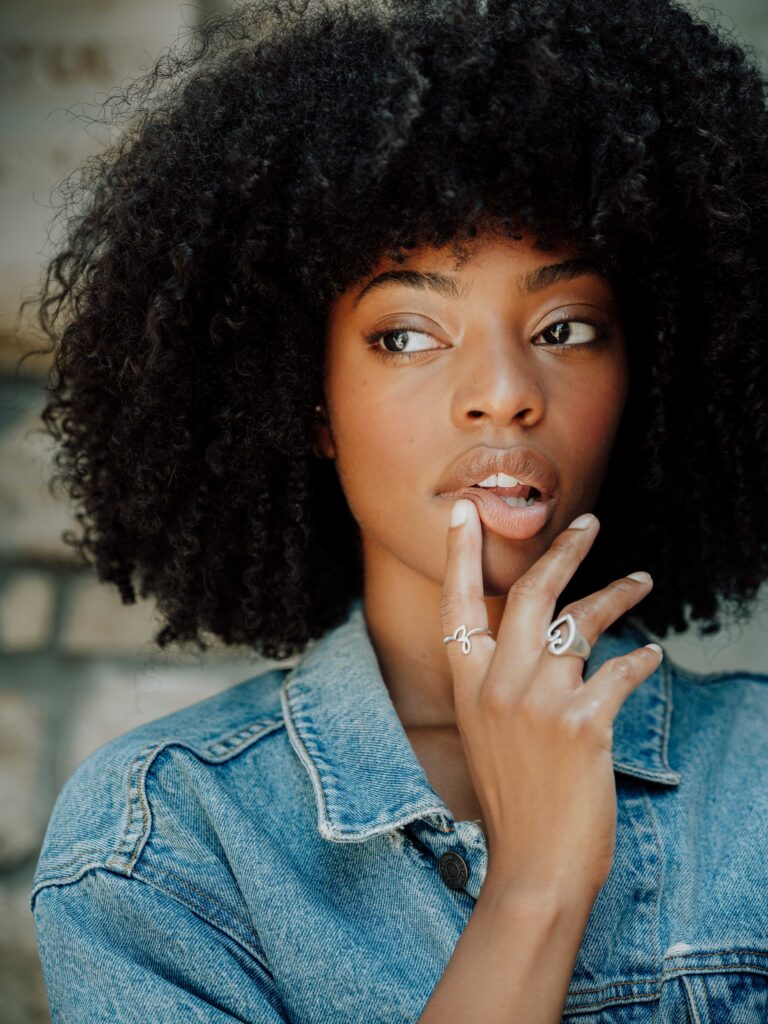
The color science is where Hasselblad has always quietly separated itself from the conversation, and the X2D II continues that. The Hasselblad Natural Color Solution isn’t a “look” – it’s not a film simulation or a vibe. It’s a methodical approach to color accuracy that produces files where skin tones feel true rather than processed. After years of working with these files, the clearest thing I can say is this: they need less from you. Less correction, less coaxing. The information is just there, in the right place, rendered honestly.
Add to that a new HDR workflow (the first in medium format) that writes Ultra HDR JPEG and HDR HEIF natively and pipes straight into Lightroom, a 1TB internal SSD so you genuinely stop thinking about cards and storage, and a 3.6-inch OLED screen that you can actually see in daylight. Oh, no video, which is something i really like. The X2D II is a still camera without apology, and I find that deeply refreshing in a world where everything is trying to be everything.
THE DESIGN THING – WHICH IS ACTUALLY THE MAIN THING, FOR ME:
The X2D II has a new graphite grey coating that I keep noticing. That was the test for me – whether something pulls my eyes back when i’m not expecting it. This body does. The texture sits somewhere between matte and metallic without committing to either. The overall shape is just right. Clean without being cold. Minimal without being blank. I love the greyed Hasselblad name on the camera, but for some reason, i also love the white paint one on the previous model, to a point i considered acquiring one, just so i don’t miss out on that beautiful name written in white. The grip redesign is subtle but real. Balance with a lens on is excellent. And the menu system remains one of the most sensibly organized in any camera I’ve used – the people at Hasselblad have clearly thought about what you actually reach for often versus what can live a few taps deeper, and they’ve made the right calls.
Holding this camera just feels good. I know how that sounds, and I also know it’s true, and I’ve stopped being embarrassed about the fact that it matters to me.
SO WHY DID I ACTUALLY BUY IT:
I could give you the rational version – unmatched resolution, best stabilization in the industry, continuous autofocus that finally makes the system usable for a wider range of situations, Color science that saves me time in post – that case writes itself.
But here’s the real version: I set the camera down on my desk at the end of the day, walked back in a couple hours later, and it stopped me. Just sitting there. I stood there looking at it and thought to myself that I don’t want to give this back.
That was the moment. Not a spec sheet, not a test chart. Just that feeling of holding something extremely beautiful and not wanting it to let it go.
Let’s be honest about the price for a second. At $7,399 for the body alone – and that’s before you add XCD glass, which is its own conversation – the X2D II sits in rarified air. Really the only thing above it in the world is Phase One, and that’s a whole different financial universe. This is one of the most expensive cameras you can buy. I’m not going to dress that up. If you’re considering it, the question you have to answer honestly for yourself is whether your work – and what you can charge for it – justifies the investment. To me, as a fine art, lifestyle and portrait photographer for higher-end clients, the answer is yes. But that’s a personal calculation, and nobody should rush it.
I do a lot of work where image (mine figuratively and the subject’s literally) is the whole point – moments that deserve to be made into images worth keeping. The tools I use for that work are not incidental to how I feel about that work. A camera that makes me excited to pick it up makes me a better photographer. I believe that.
This is my camera now. I’m done borrowing it. The Hasselblad X2D II is the finest camera I’ve ever owned. That it also happens to be one of the most beautiful objects I’ve come across in years is, with Hasselblad, not a coincidence. It never has been.






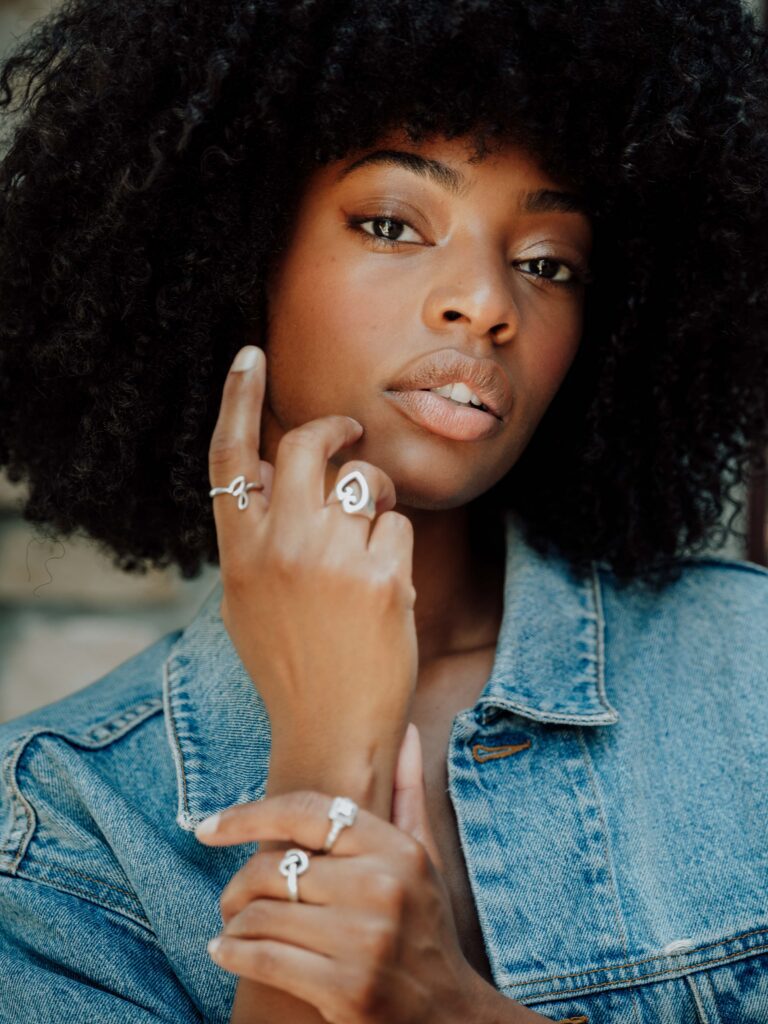
William Bichara is a photographer based in Frisco, Texas. This review reflects only personal experience over two loan periods and ongoing ownership. No commercial relationship or sponsorship with Hasselblad exists.